

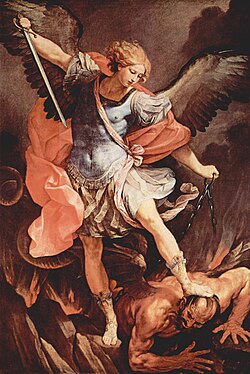
The image of a winged, celestial being acting as a bridge between the divine and the earthly is one of the most enduring symbols in human history. While the term “angel” is most commonly associated with the Abrahamic traditions—Judaism, Christianity, and Islam—the concept of spiritual intermediaries is a subject of significant study in comparative religion and global mythology.
To understand the scope of these beings, one must look both at their specific roles within the Abrahamic family and their parallels in other cultures.
The Abrahamic Foundation
In the Abrahamic faiths, the word “angel” is derived from the Greek angelos, which translates to “messenger.”
-
Judaism: Angels (Malakhim) are viewed as divine agents who carry out God’s will on Earth.
-
Christianity: The tradition emphasizes a celestial hierarchy (archangels, seraphim, cherubim) and their role in protection and revelation.
-
Islam: Belief in angels (Malaikah) is an article of faith. They are described as beings of light who perform specific duties, such as recording deeds or guarding the gates of paradise.
While these three religions share a common root for their angelic lore, many scholars point to earlier or external influences that suggest the concept is much older.
Zoroastrianism: The Historical Bridge
Many historians of religion point to Zoroastrianism—one of the world’s oldest monotheistic faiths—as a primary source for the structured concept of angels. The Amesha Spentas (Bounteous Immortals) and Fravashis (guardian spirits) in Zoroastrianism share striking similarities with the archangels of later traditions. These figures represent divine attributes and act as protectors of the physical world, suggesting that the “angelic” archetype predates the primary Abrahamic texts.
Parallel Beings in Eastern Traditions
When moving outside of the Middle East and Europe, the term “angel” may change, but the functional role of the being often remains similar.
-
Hinduism: The Devas and Gandharvas are celestial beings who inhabit higher realms and occasionally interact with humanity. While they are often translated as “gods,” their role as attendants to higher divinity mirrors the Western concept of angels.
-
Buddhism: Figures known as Bodhisattvas or Devas serve as guides and protectors. In many Mahayana traditions, celestial beings are thought to inhabit various realms, offering assistance to those on the path to enlightenment.
Indigenous and Ancient Perspectives
From the Daemons of Ancient Greece (not to be confused with the modern word “demon,” but rather a guiding spirit) to the ancestral protectors found in various African and Indigenous American traditions, the idea of a “middle-man” in the spiritual realm is nearly universal. These beings are often characterized by:
-
Invisibility to the average human eye.
-
Mediation between a supreme creator and the human race.
-
Protection over specific individuals or locations.
A Universal Archetype?
The question of whether all angels belong to the Abrahamic family is largely a matter of definition. If an “angel” is defined strictly by the linguistics and theology of the Bible or Quran, then they are exclusive to those faiths. However, if an “angel” is defined as a benevolent, non-human intermediary between the divine and the mundane, then the concept appears to be a global phenomenon.
Rather than belonging to a single religious family, the “angelic” figure seems to be a recurring element in the human attempt to map the unseen world, appearing in various forms across time, geography, and culture.
The Almighty Lord of the Universe created our planet in diversity. The Creator puts water, air, soil etc everywhere. The sun and the moon appears everywhere. Can it be true that the Almighty Lord of the Universe made all angels from Abrahamic family religion? I did not see African angels. I did not see Chinese angels. I did not see Native American angels. I did not see Indian angels. Think? Lets Wisen Up!!!